
Let’s be honest—our skin has a funny habit of collecting little “extras” as we get older.
One day you’re happily washing your face, and the next you’re thinking, “Hang on… was that little bump always there?”
Don’t panic! Most of these skin blemishes are completely harmless. They may not have been invited, but they’re incredibly common. Meet the Usual Suspects

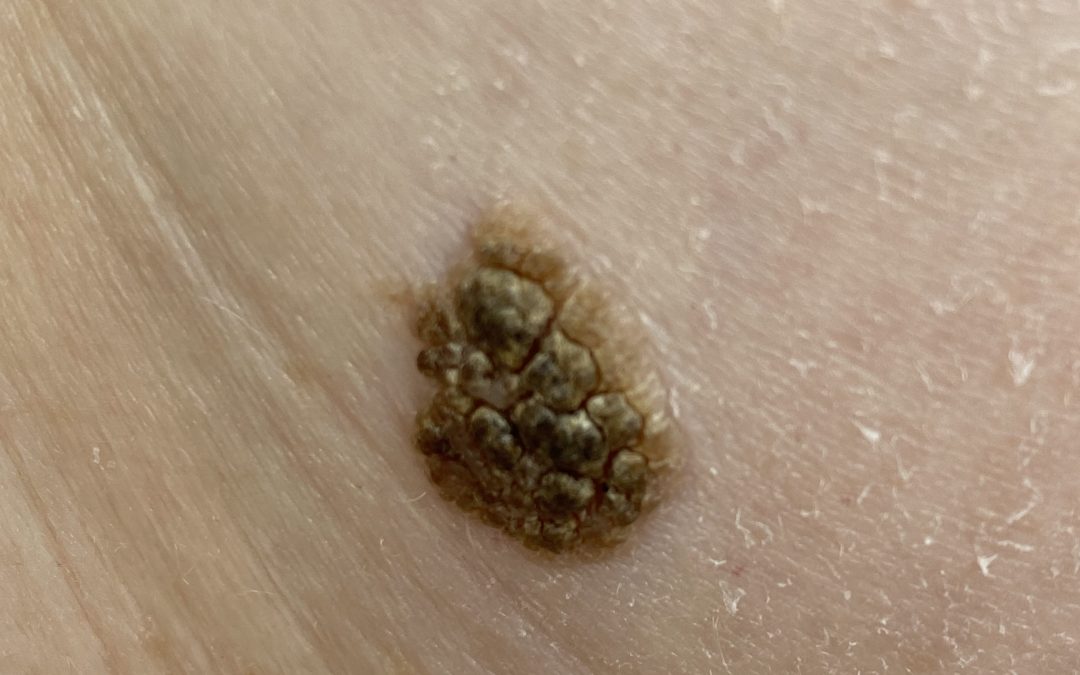
Seborrhoeic Keratosis (Seb K)
Seborrhoeic keratoses are one of the most common age-related skin growths. They usually begin appearing after the age of 40, with ageing being the main reason they develop. Genetics also play a significant role, which is why some people develop many while others have very few.
Seborrhoeic keratoses can easily be mistaken for moles or viral growths such as common warts or filiform warts because they often share similar characteristics. However, each requires a different treatment approach, so an accurate diagnosis is essential.
This is exactly why I attended a dermatoscopy course with Dr Khan last year. Since then, I honestly couldn’t imagine treating skin lesions without a dermatoscope. I examine every lesion carefully before treatment to ensure it is identified correctly and that the most appropriate treatment is selected.
Sebaceous Hyperplasia
Sebaceous hyperplasia usually appears as small, soft, yellowish or flesh-coloured bumps, most commonly on the forehead and cheeks. Think of them as overenthusiastic oil glands showing off! Like seborrhoeic keratoses, they typically appear after the age of 40 and are a normal part of the ageing process, although genetics also influence who develops them.

Thread Veins (Telangiectasia)
These are the tiny red veins that often appear around the nose and cheeks. They’re essentially small blood vessels saying, “Look at me!”—when you’d much rather they didn’t.
Moles
Moles are a little different. Most develop during childhood or early adulthood rather than later in life.
Yes, benign moles can often be treated to reduce their size or flatten their appearance. However, before any cosmetic treatment, they must first be examined by your GP or dermatologist and confirmed as benign. I always require written confirmation before treating any mole because your safety will always come first.

Verrucae and Warts
Verrucae are simply warts that occur on the feet. They’re the stubborn squatters of the skin, often seeming to think they’ve signed a long-term lease! Although they can be persistent, they can usually be treated successfully.
So… Can They Be Removed?
In many cases, yes!
One of the most effective ways to remove many of these common skin blemishes is Advanced Electrolysis.
Using a very fine sterile probe and a tiny electrical current, the blemish is treated with great precision, encouraging the body to heal the area naturally. The procedure is quick, minimally invasive, and there’s no need for surgery or stitches.
Advanced Electrolysis can successfully treat many common skin imperfections, including:
Sebaceous Hyperplasia
Skin Tags
Seborrhoeic Keratoses
Dermatosis Papulosa Nigra (DPN)
Thread Veins (Telangiectasia)
Blood Spots (Cherry Angiomas)
Milia
Some benign moles (following appropriate assessment and written medical confirmation)
Verrucae
Common Warts
Plane Warts
Xanthelasma
Syringomas
Most treatments are completed in just one or two appointments, depending on the size and type of blemish being treated.
Your Skin Deserves to Feel Its Best
We all collect a few extra “features” over the years—it’s simply part of being human!
But if they’re affecting your confidence, catching on your jewellery or clothing, or getting in the way while shaving, you don’t have to just live with them.
A consultation will help determine exactly what the blemish is and whether Advanced Electrolysis is the right treatment for you.
The Bottom Line
Our skin tells the story of our lives, and collecting a few “souvenirs” along the way is perfectly normal.
While most bumps, tags and blemishes are harmless, it’s always worth having any new, changing or unusual lesion assessed by a trained professional.
Using dermatoscopy allows me to examine skin lesions in far greater detail before treatment, helping to ensure an accurate diagnosis and the safest possible treatment plan. It also gives you peace of mind, knowing your skin is in experienced hands.
